
Dress for your body type. Make it your own.
Start with the lines you enjoy wearing. Body-shape descriptions can help you compare silhouettes, but your comfort, occasion and taste make the decisions.
Find your style starting point Free calculator · No account needed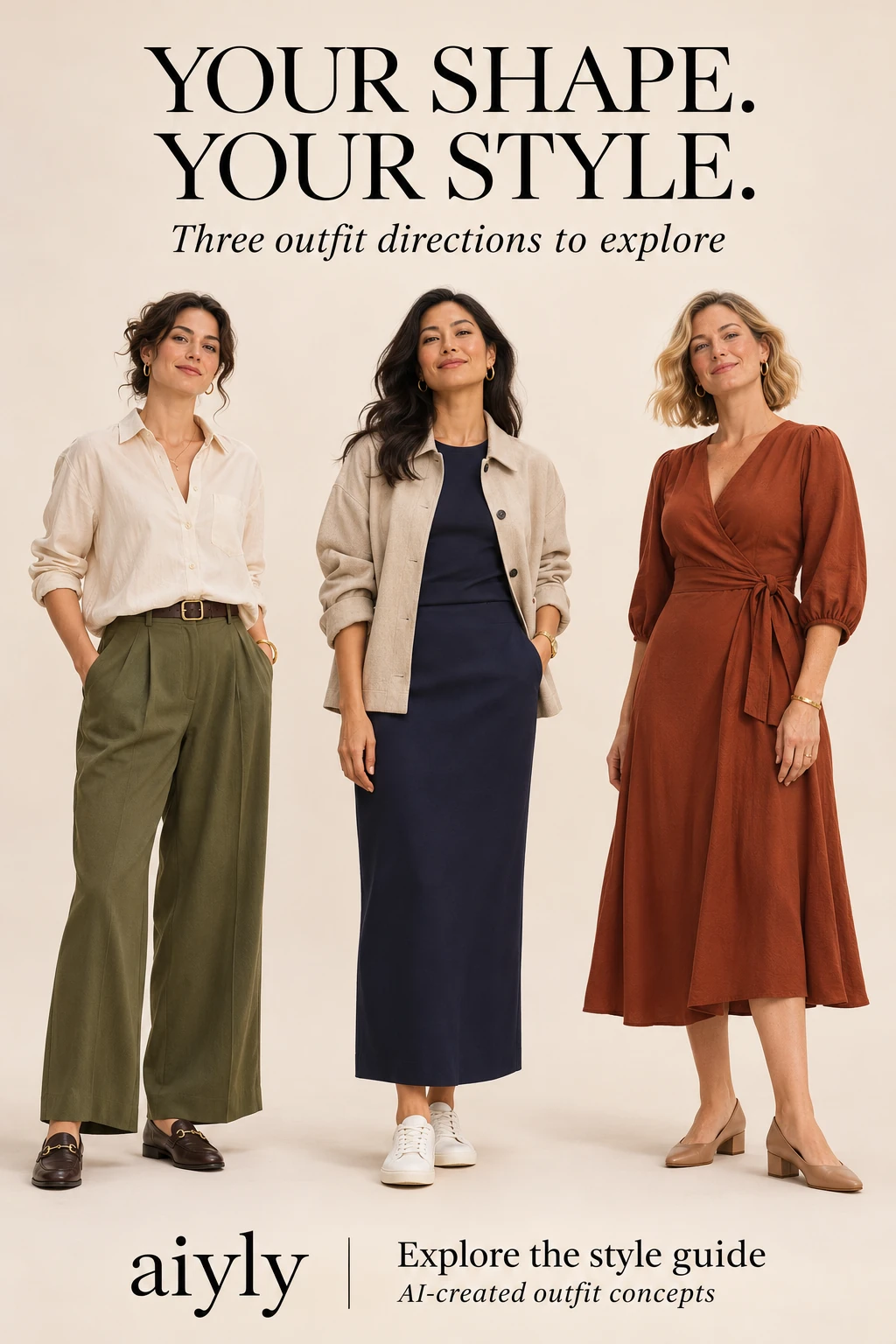
Find a useful starting point
A body type is a shorthand for the relationship between your bust or chest, waist and hips. It is different from clothing size: two people can share similar proportions and wear different sizes. Height and weight alone do not reveal those relationships.
Use a soft tape over light clothing. Measure around your fullest chest, your natural waist and the fullest part of your hips and seat. Stand comfortably and keep the tape level. If you include shoulders, specify circumference around the upper body, not the width across your back. Our calculator uses bust, waist and hips for its rough estimate; optional shoulder, height and weight details do not change that estimate.
Compare descriptions, rather than dressing rules
The five descriptions below are common styling shortcuts. You might identify with more than one, and a measurement close to a threshold can change a calculator result. Use the label only if it helps you describe a line you want to explore. None of these descriptions determines which garments you are allowed to wear.
| Starting description | What it describes | A silhouette to explore |
|---|---|---|
| Pear / triangle | Hips larger than the bust | A-line skirt, detailed neckline, or a straight column |
| Hourglass | Similar bust and hips, more waist definition | Wrap detail or a relaxed alternative |
| Rectangle | Similar bust and hips, gentler waist change | Straight layers, a defined waist, or added volume |
| Upper-body emphasis | Bust larger than hips; not a shoulder-width test | Simple upper line with a fuller lower silhouette |
| Rounded midsection | Waist at least as large as bust and hips in this tool | An open layer or an uninterrupted line |
Choose an outfit by the effect you want
For a continuous line, try a straight top and trousers with a similar visual weight. For waist definition, explore a wrap detail, a tucked layer or an intentional seam. For volume, compare a full skirt with a simple top, or a sleeve detail with a straight lower half.
Change one element at a time. Compare the same outfit with a different hem length, neckline or upper layer so you can see which choice changes the result. If you like a relaxed outfit, there is no requirement to make it more waist-defined simply because a guide suggests it.
Make the occasion part of the decision
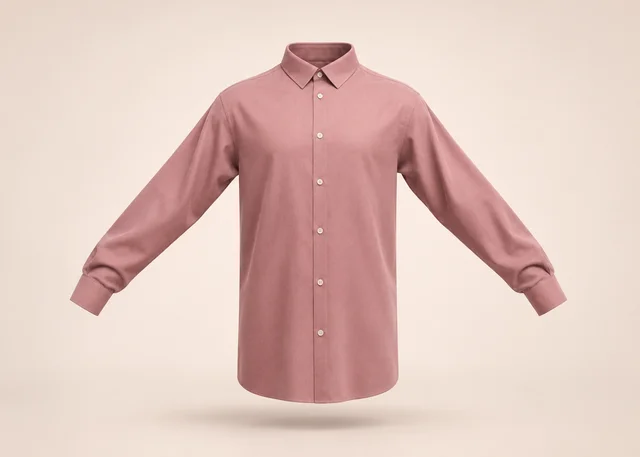
An everyday outfit may prioritize easy movement and layering. Workwear can explore a button-front shirt and a clean trouser line, while an occasion outfit may use a wrap detail, drape or a more prominent neckline. These are starting ideas, not fixed dress codes; your workplace, climate and personal preference matter.
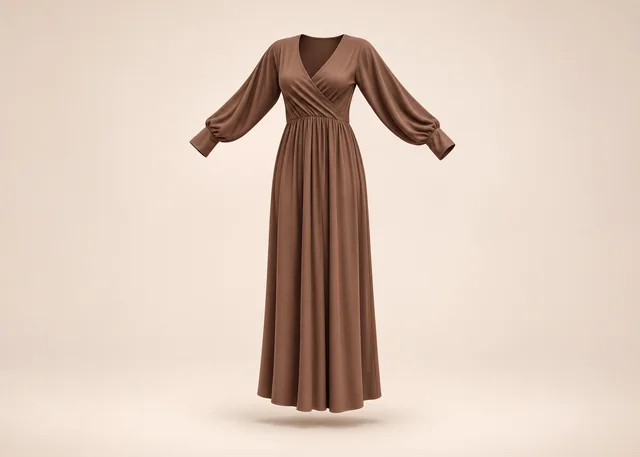
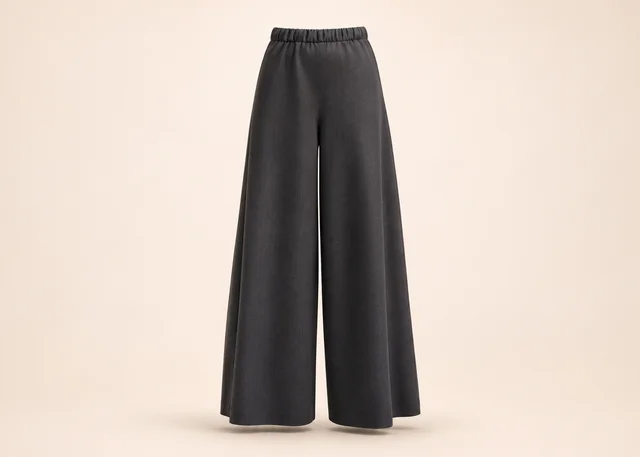
Use the style tool to prepare an editable brief with your occasion, silhouette and optional measurements. Continue to AI Stylist for three model-authored complete outfits and explanations. The template examples below remain separate design references with AI-created covers, not stocked clothing products.
Check real fit separately
Before buying or making clothing, compare the actual garment measurements with your body measurements and the ease you prefer. Read the fabric stretch and brand size information. Being the same body-shape category as a model does not guarantee the same fit.
A 3D template shows an editable garment design. An AI-generated model image is a visual concept that can alter fabric, seams or proportions. Neither is a validated fit simulation. For a closer visual brief in Studio, supply an appropriate garment reference and describe the details you want to preserve.
Common questions
How do I know what clothes suit my body type?
Use the measurements to describe proportions, then choose an occasion and the silhouette you like. Compare a few actual garments rather than treating the category as a list of rules.
Can I dress for my body type without measuring?
Yes. Start from the shapes and clothing lines you prefer. Our style tool lets you skip measurements and choose a description, then explore ideas.
Does Aiyly recommend a clothing size?
No. These are editable design templates and styling ideas. Exact sizing needs the garment measurements, fabric behavior and the relevant brand size chart.
Further reading: measuring and body-shape conventions and Stitch Fix’s body-shape style guide. Our examples are suggestions, not validated garment-fit predictions.
Explore the design details.
These are editable design templates, not clothing offered for sale. Rotate a model and explore its design; exact sizing needs separate garment data.
Start with what you enjoy wearing.
Bring your proportions and preferences together in an editable brief for personalized AI outfit advice.