
Rectangle body shape outfits. Choose your silhouette.
Keep the straight line, introduce a waist detail or explore volume. You have more than one direction, and your outfit does not need to change your body shape.
Find your style starting point Free calculator · No account needed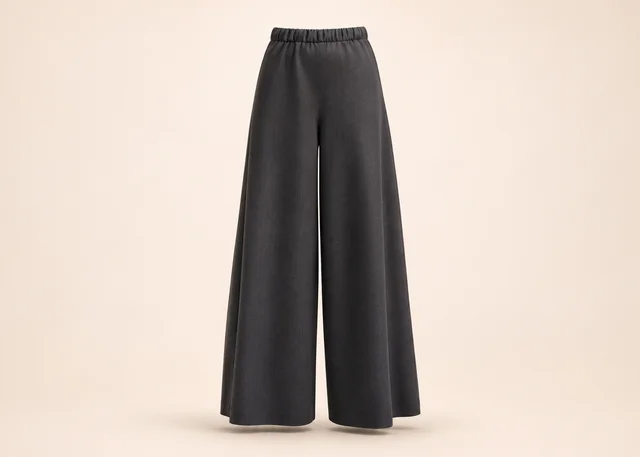
Use rectangle as a description, not a goal
Rectangle commonly describes bust and hip circumferences that are close, with a gentler change at the waist. Different style guides draw those boundaries differently. Your proportions can also look different with posture, a layer or a change in fabric.
There is no requirement to create an hourglass effect. You can choose to keep an uninterrupted line, define a waist or add volume to one part of the outfit. First decide which direction feels appropriate for your day.
Everyday: a straight column with one easy layer
Start with a simple top and a straight or wide lower silhouette. A similar visual weight between the pieces keeps the outfit quiet. Add an open shirt or a jacket if you want another line through the outfit.
Compare the length of the upper layer before changing everything else. A hem ending near the waistband reads differently from a longer layer. The aim is to find a combination you enjoy, not to make your measurements fit a category.
| Outfit direction | A starting combination | One change to compare |
|---|---|---|
| Straight column | Simple top + straight or wide-leg lower half | The length of an open upper layer |
| Waist-defined | Wrap-front dress or a tucked shirt | The position and amount of waist detail |
| Added volume | Pleated skirt or a more prominent sleeve | Keep the other half simpler for comparison |
Work: a button-front shirt and clean trousers
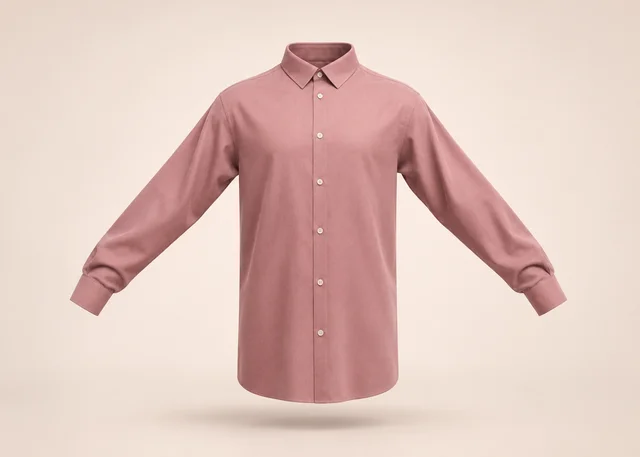
A full button placket gives you a vertical detail to work with. Pair it with flat-front wide-leg trousers for a restrained office concept, then compare a full tuck, partial tuck or untucked layer. Those styling choices can change where the waist line appears.
For actual workwear, check seated comfort, movement and the relevant dress code. A wide-leg template does not establish rise, inseam or ease for a real pair of trousers. Treat the model as a design surface and check a real garment’s measurements separately.
Occasion: introduce a wrap detail or considered volume
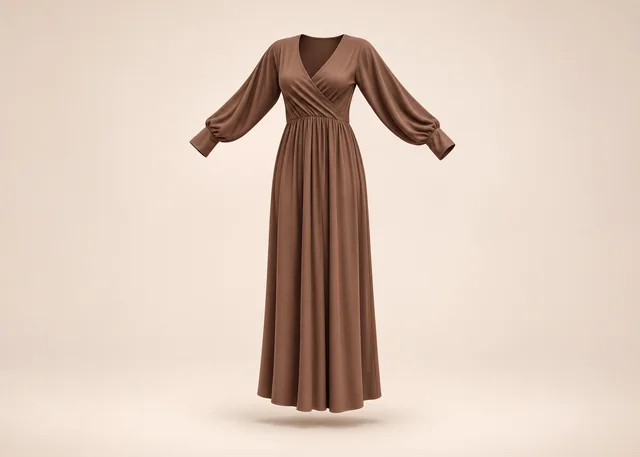
A wrap-front dress is an option when you want a clear waist line. For another direction, explore a pleated skirt or a sleeve detail while keeping the rest of the outfit simple. You do not need to add volume everywhere at once.
When evaluating a dress concept, compare the sleeve, waist detail and hemline independently. If you prefer a straight silhouette after the comparison, keep it. Style suggestions should expand your options rather than become another restriction.
Use the same preferences for a clearer comparison
Choose an occasion and the amount of waist definition you prefer in the style tool. Continue with your brief to AI Stylist, which authors complete outfits around your stated preferences. You can ask for changes in the conversation rather than choosing from a fixed list.
The linked Aiyly items are existing editable design templates with AI-created covers. Continue to Studio for an editable concept brief, with measurements included only if you choose. An image concept can help compare ideas, but it does not verify garment size, fabric behavior or fit.
Common questions
Do rectangle body shapes have to wear belts?
No. A belt is one way to introduce a waist detail. Straight columns, drape and layers are other directions to explore.
Can a rectangle body shape wear oversized clothes?
Yes. Choose the amount of ease and layering you enjoy. Check the actual garment’s dimensions and how it moves rather than relying on the shape label.
Which measurements should I enter?
Use bust or chest, natural waist and fullest hip circumferences. Our calculator explains its rough thresholds and lets you change the styling description.
Further reading: measuring and body-shape conventions and Stitch Fix’s body-shape style guide. Our examples are suggestions, not validated garment-fit predictions.
Explore the design details.
These are editable design templates, not clothing offered for sale. Rotate a model and explore its design; exact sizing needs separate garment data.
Start with what you enjoy wearing.
Bring your proportions and preferences together in an editable brief for personalized AI outfit advice.